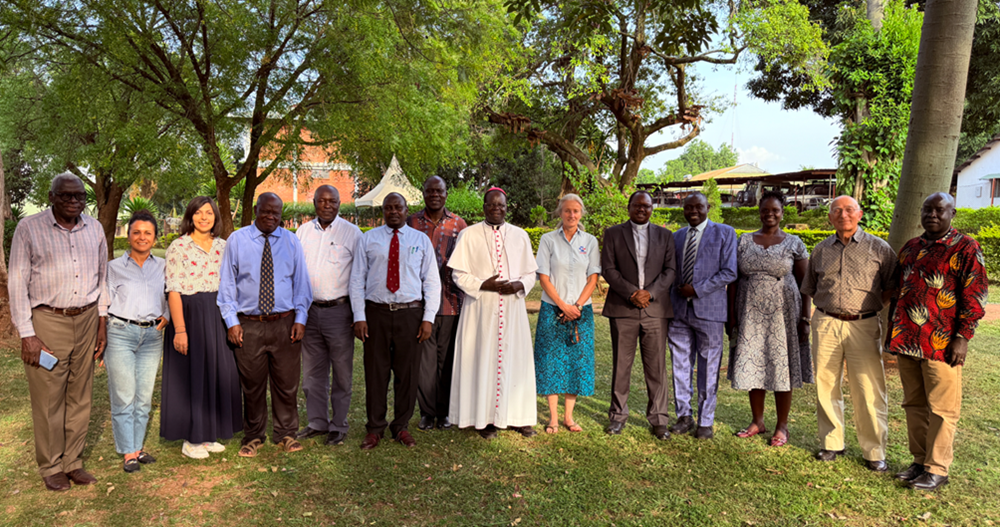
Days of intense preparation for the hospital’s Board meetings follow. There are tons of documents that must be examined, meetings of the various committees (quality, finance, human resources, etc.) that never last less than five or six hours.
A series of personal, preliminary, and collateral meetings are essential for keeping abreast of the situation, strengthening ties, discussing projects, finance, communication, with the responsible hospital staff.
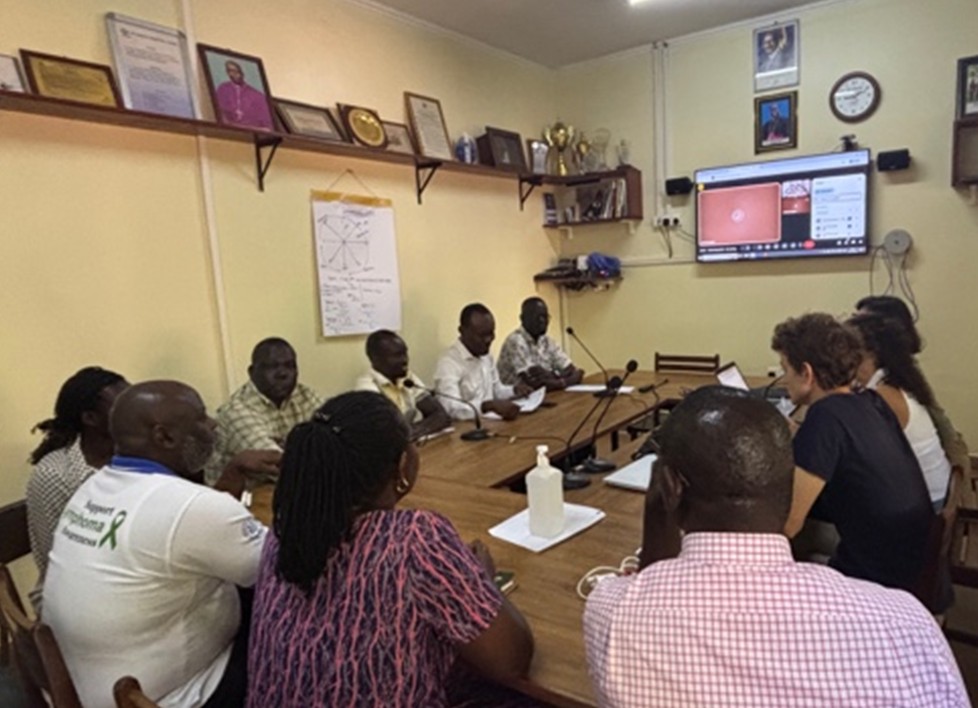
On the left, the first meeting for the “to be” configuration of the Microsoft Business Central administrative software upgrade.
The involved hospital management, the HRP supplier, and the financial audit firm BDO participate to discussing, in this specific case, the design of the chart of accounts.
Let's hope it leads to the hoped-for results!
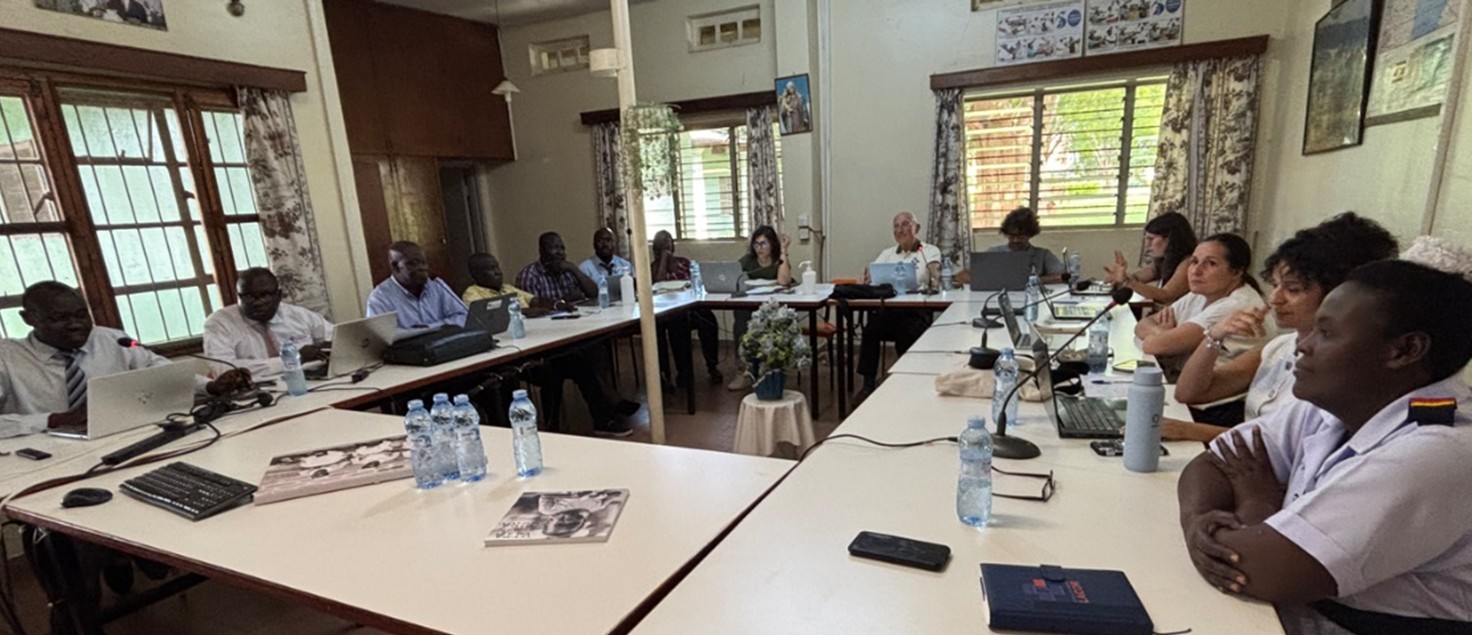 The Strategic Plan Steering Committee meets every two months to review the current strategic plan and the achievement of its objectives. The directors, deputy directors, and Senior Nursing Officer participate in these meetings. Guido, who is committee chair and I, represent the Board of Directors.
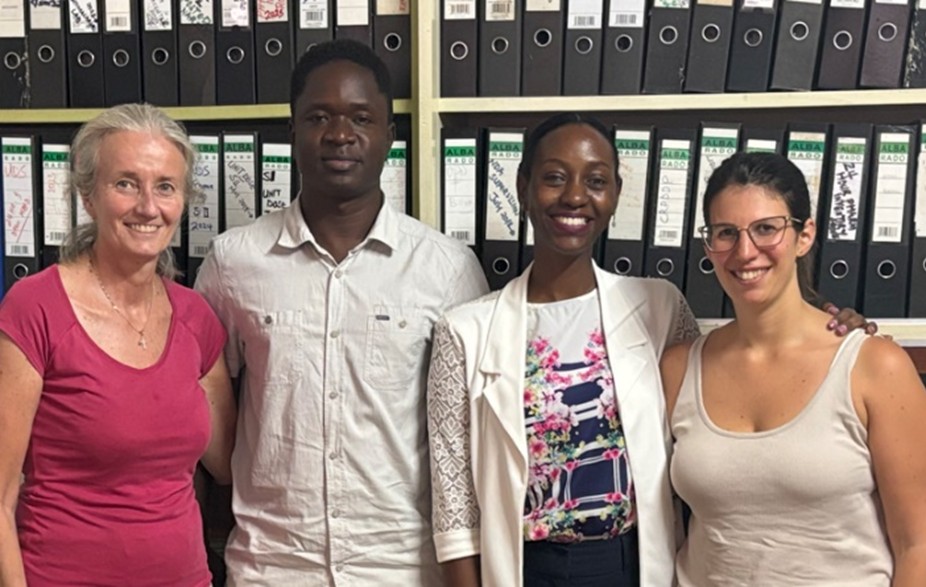
Carolina and I also meet with Michael and Pamela, the two pharmacists hired one month ago by the hospital to give the pharmacy a new direction, in view of the two new software programs that will be implemented in 2026 (the administration Microsoft Business Central and the clinical management Streamline software).
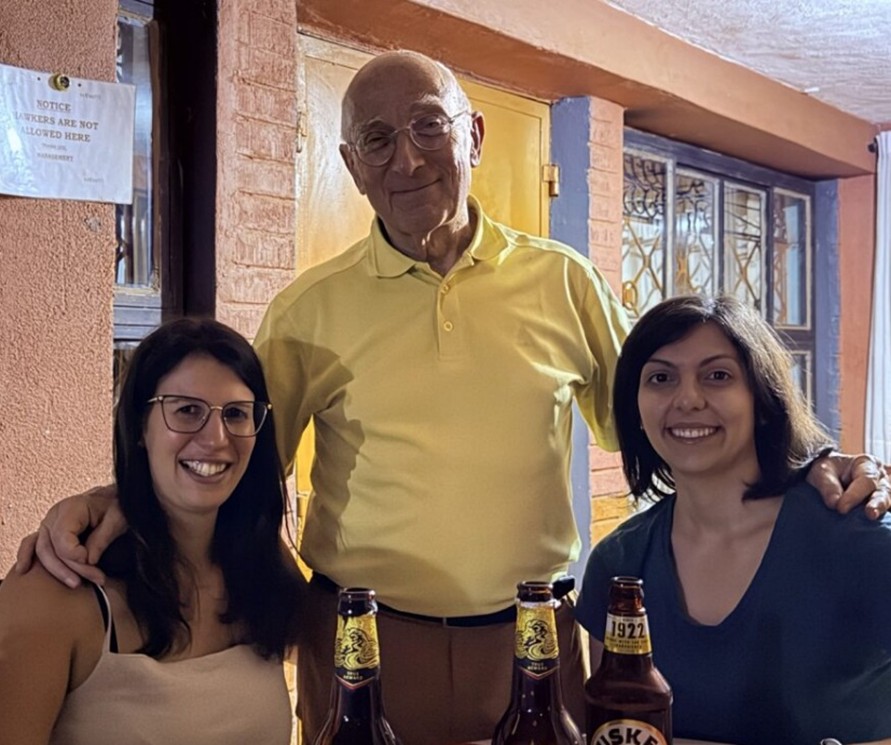 The Italian Corti Foundation team members who are most stressed these days are undoubtedly Guido, a board member of both the Foundation and Lacor Hospital, as I am, and head of the Board’s Finance Committee; Giulia, on the right, the hospital’s Deputy Director of Finance; and Carolina, on the left, who is responsible for the entire Lacor area of the Italian Foundation, including projects and financial aspects.
At the end of the day, a beer in the small, dark bar opposite the hospital morgue (a real blast of energy!) allows us to relax a little…
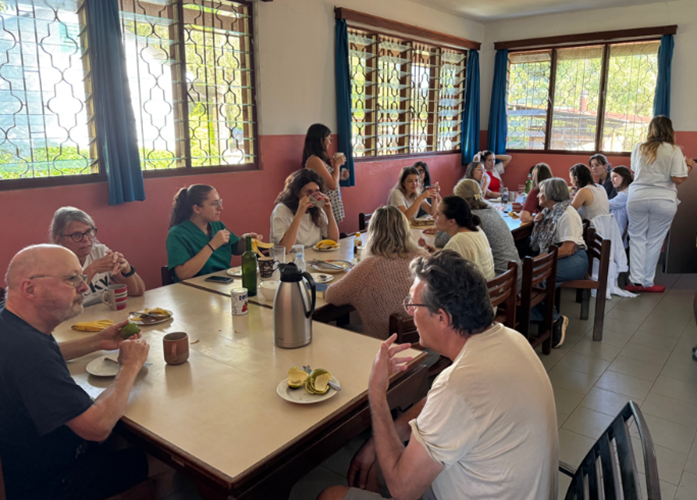
Meals in the guest house provide an opportunity to exchange ideas and impressions with the many Italian residents on training internships and other international professionals. In short, with the whole world that revolves around the center of my world.
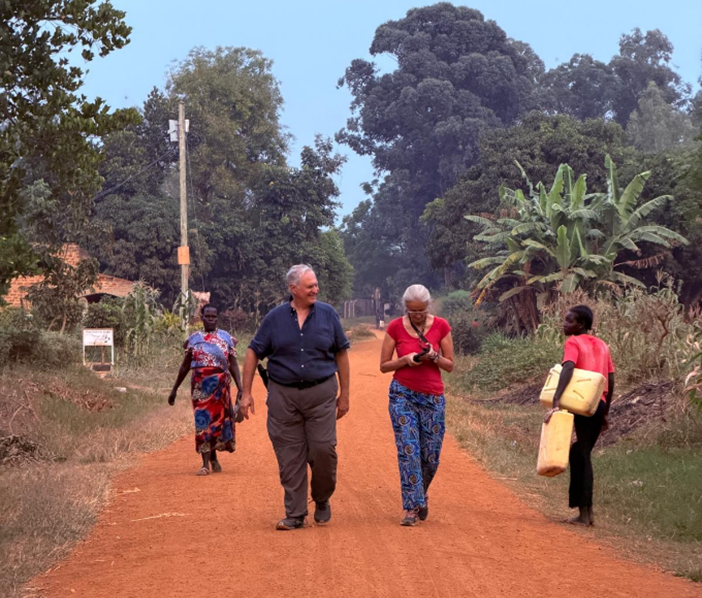
At the end of the day, a walk around the hospital trying to keep up with Guido's brisk pace is good after long hours sitting in meetings or in front of a screen.
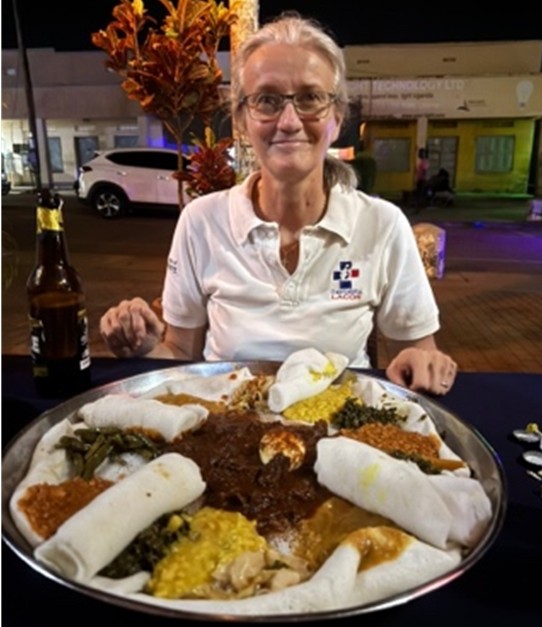
A couple of times, we even manage to sneak out for an evening meal at the Abyssinian restaurant in Gulu, in front of a huge injera. Contardo doesn't like eating with his hands, but I love it, it’s what I've always done since I was a child, when invited to eat.
Gulu market is a hive of unrelenting activity, with vendors selling everything from dried fish, to colorful grains, fabrics, furnishings, and countless small stalls where cell phones are repaired, phone cards are sold, and clothes are sewn.
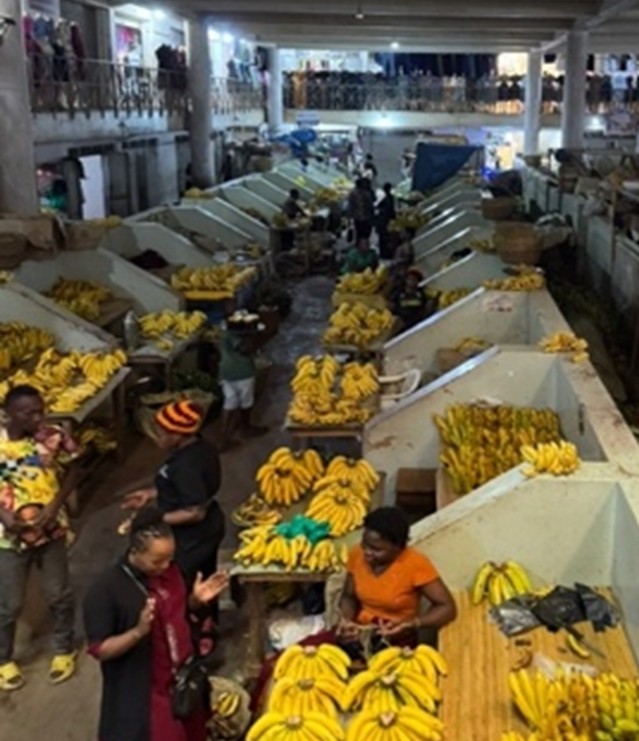
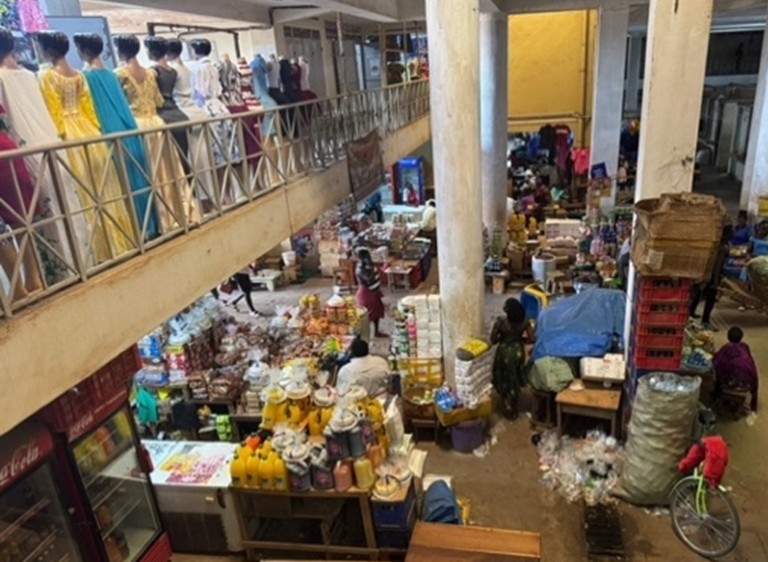
And fruit piled high on mats, live chickens and roosters filling the covered market with their crowing.
The number of paved roads has increased, but the unpaved ones, which are still many even in the city, are only passable with sturdy off-road vehicles.
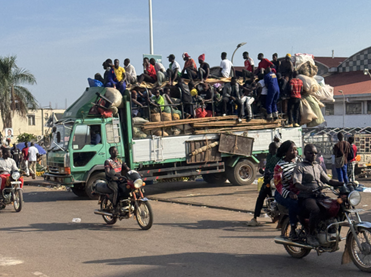 Trucks crammed with people sitting on top of goods, bicycles and motorcycles loaded beyond belief weave their way between other vehicles.
As in the UK, driving is on the left: you need to have a hundred eyes, especially in the evening and at night, when the brightly colored lights of trucks alternate with the sudden appearance of an overloaded bicycle without light.
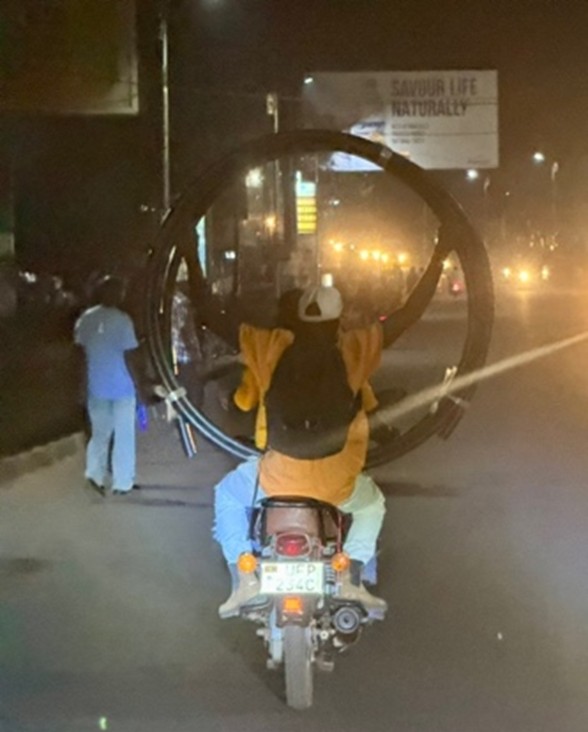
For example, on the evening of the Abyssinian restaurant: a motorcycle suddenly appears in front of us. The passenger on the rear seat holds a large rubber circle making him look like an equatorial version of Leonardo Da Vinci’s Vitruvian Man.
Fortunately, alongside the traditional and extremely dangerous boda-bodas (motorcycle taxis), the much more reliable tuk-tuks (a sort of Indian-made three-wheeled rickshaw) are becoming more popular.
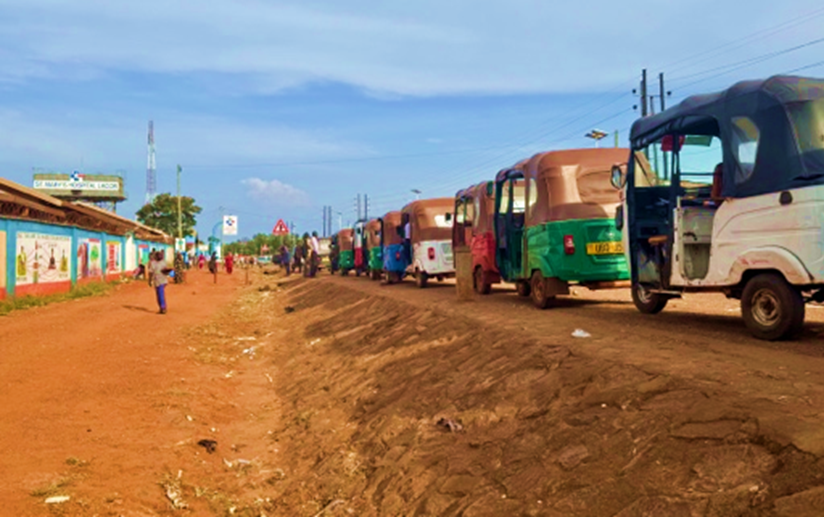
There is always a long line waiting for clients in front of the hospital.
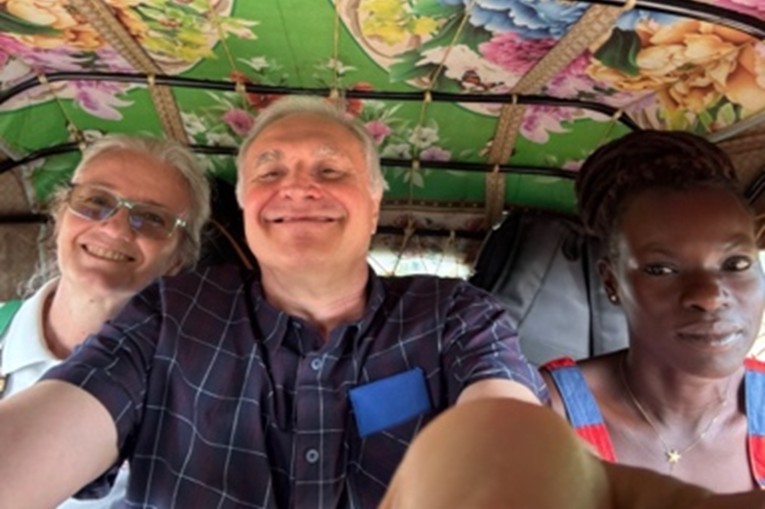
For 5,000 shillings (about $6 CAD), they will take you to Gulu city (about 7 km away), but many can afford this sum. So they share rides, or walk along the busy road that crosses the country from south to north towards the border with South Sudan.
I was surprised to see how many people still use sandals made of old tyres.
During the terrible years of Idi Amin, and the few even worse years that followed throughout the country (in the north, however, things continued to get worse until 2006!), they were the only type of shoe produced in Uganda, and few could afford anything else. As was the case with most other things…
Although Gulu, promoted to City a couple of years ago, is showing many signs of recovery, albeit with the stark contrasts typical of cities in this part of the world, there is still a great deal of poverty in the surrounding area and life is difficult.
Life is frugal, industrious and active, but school fees, an illness, or the cost of medicines can plunge a family into extreme poverty.
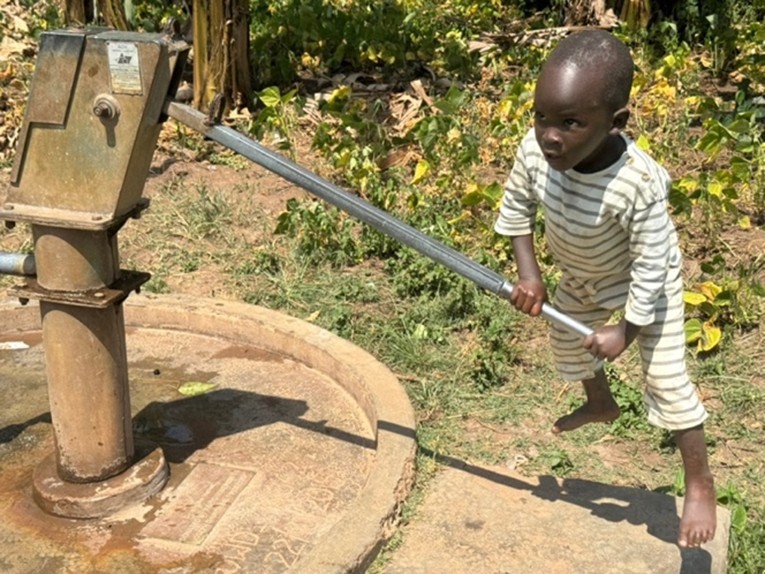
A child not even four years old draws water from a well pump (or is the pump pulling him up?).
A visit to the administration office where Giulia Monti, a Corti foundation staff deployed to Lacor Hospital as Deputy finance director, works tirelessly to contain costs and keep the purse strings tight.
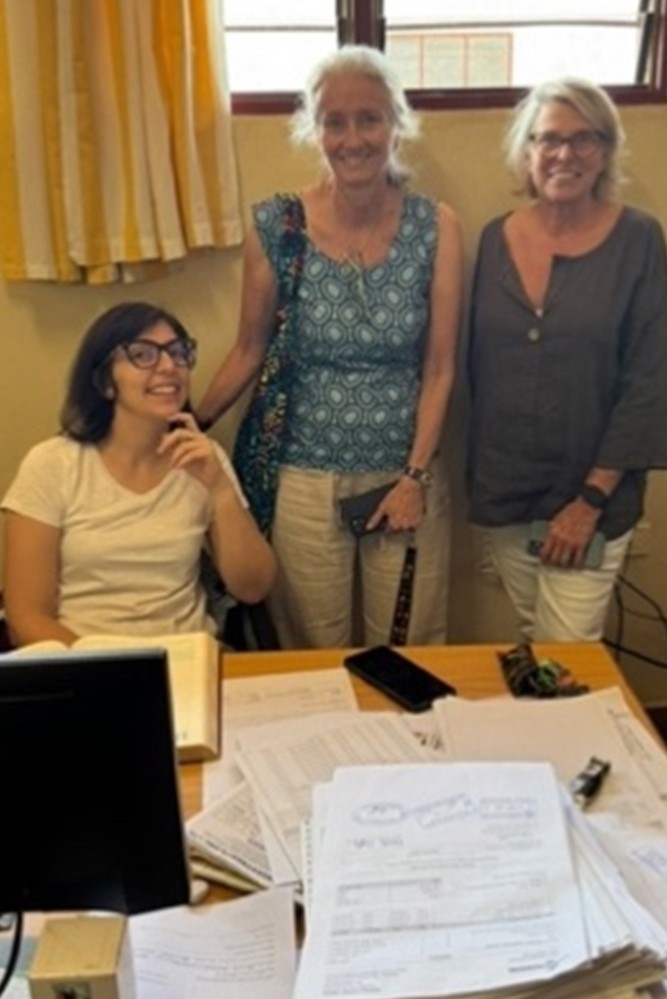 She has been here for almost two years, and in this short time she has managed to implement organizational improvements that I had not seen in over twenty years. Several employees or former employees, of the dedicated and hard-working kind, have pointed out to me with appreciation how visible the changes are.
She has already been named ‘Layub’ (the one who does good, who fixes things) by those of good will, and ‘Labal’ (the one who breaks things, who ruins things) by the slackers.
We then go to the neonatal ward to see how things are going, with Sister Angioletta (my primary school classmate) welcoming us at the entrance.
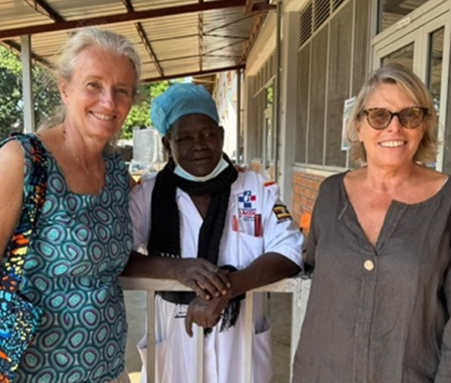 While I stay and chat with Angioletta, Consuelo and Contardo put on gowns, masks and shoe covers to visit the unit. The incubators are all occupied by little ones in need of care. The hundred-plus beds in the general pediatric ward are full, as usual.
On Saturday mornings CME (Continuing Medical Education) sessions are held in the hospital assembly hall where portraits of Mum and Dad and other long-time staff look down from the walls. On this morning Dr. Nyeko David, surgeon and deputy scientific director, explains the new procedures for renewing registration to the Uganda Medical and Dental Council.
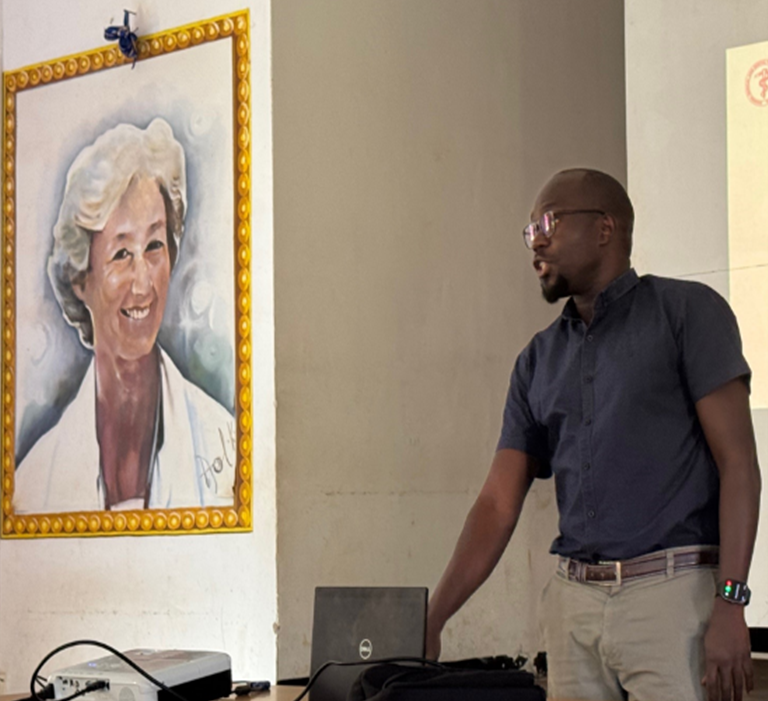 Lacor's first surgeon seems to smile at her young heir. We, old-timers, feel a little uncomfortable when respectfully called “mammy” and “daddy” by young Ugandan millennials, who have children of their own.
On Thursday, December 4, the hospital’s Board of Directors meets. Chaired by the ‘new’ Archbishop of Gulu, Raphael P'Mony Wokorac, appointed just over a year ago, we start at 10 a.m. At 6.45 p.m., after reading the last item on the agenda (‘Any Other Business’), the archbishop looks up and adds: “No one dare!” triggering general laughter.