
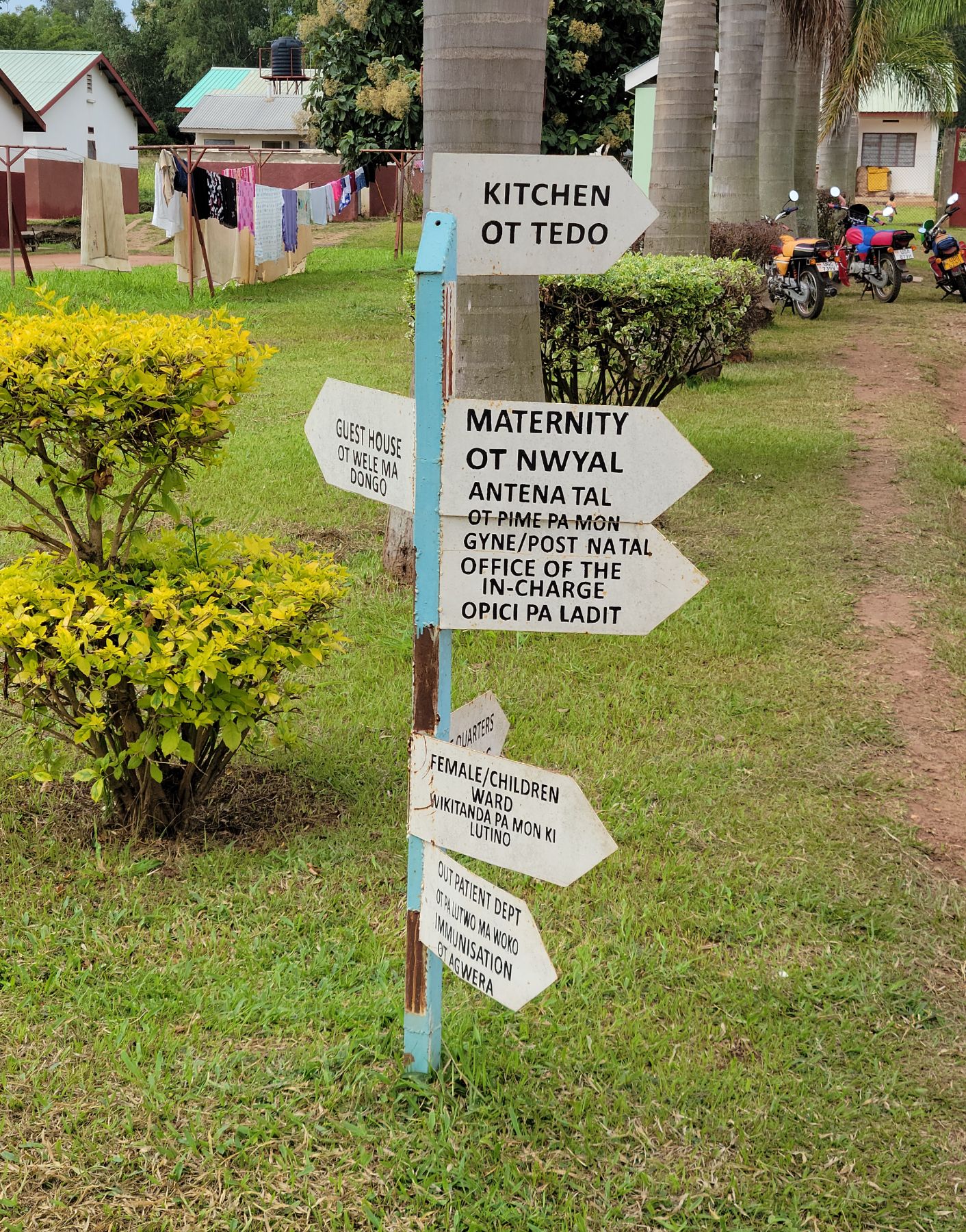
During the 2024–2025 financial year, Lacor Hospital and its three satellite centres treated more than 205,000 patients, an increase of 8.4% over the previous year. According to Medical Director Dr Emintone Odong, this growth reflects the changing health needs in northern Uganda.
"In northern Uganda in recent years," explains Dr Odong, "primary healthcare facilities and private clinics have improved, especially in outpatient services." When mild or without complications, many common illnesses, such as malaria, respiratory infections or malnutrition, can now be treated close to communities, without hospitalisation. Lacor Hospital's three satellite centres meet this demand.
However, Lacor Hospital continues to play an irreplaceable role in providing complex hospital care. "In terms of quality of care, diagnosis and treatment, the population continues to have confidence in the hospital," he emphasises. This confidence explains why the most significant increase in patient numbers has been in hospital admissions, which have risen by nearly 10%. These are often seriously ill patients referred by other institutions that are unable to treat them or refer them elsewhere.
The contribution of the hospital's three peripheral health centres in Pabbo, Opit and Amuru is also essential, as they now provide around 30% of all the services offered by Lacor Hospital. "They were built within the communities in order to bring services closer to a population that is still very poor." The health centres also represent a direct link to the hospital, enabling rapid transfers in the most critical cases.
Despite this growth in activity, management costs have risen only slightly, from 6.5 to 6.6 million shillings. "We cannot increase fees," says Odong, "because our mission is focused on the poorest people." Today, patients cover a maximum of 30% of costs, a threshold that the hospital is unwilling and unable to exceed.
In this context, donor support remains crucial. "Without the support of the Teasdale-Corti Foundation and other partners, we would not be able to guarantee these services to a community that still has a tremendous need for them," concludes the medical director.


