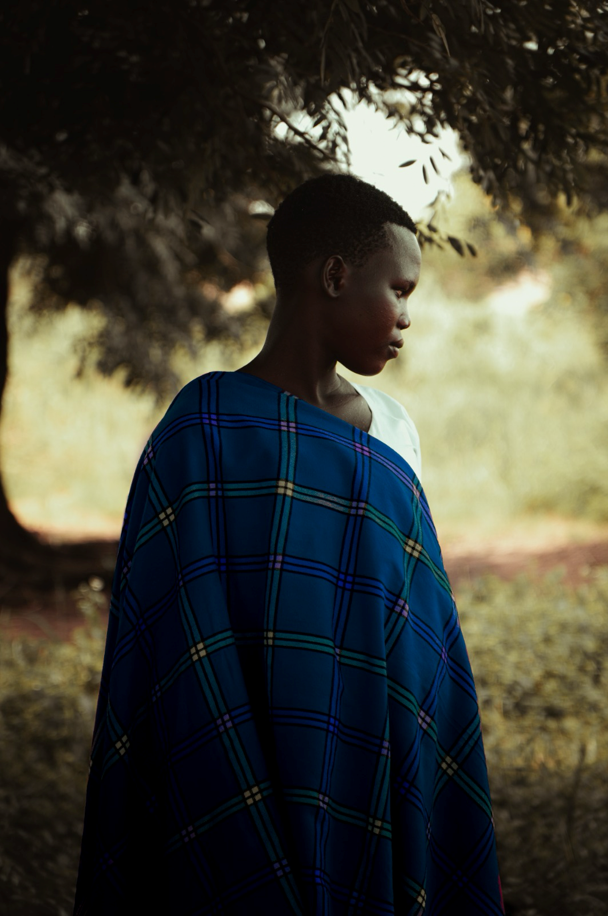
My name is Zainab. I am 27 years old. I am SS, which means I carry two copies of the sickle cell gene, one inherited from my mother and one from my father. This is why I live with the disease. Both my parents are AS. This means they are healthy carriers: they do not have the disease, but they can pass it on to their children. They knew. They had been informed. And yet they chose to marry anyway.
They said God approved. They said love would be enough. They said faith would protect me from the consequences. I am the consequence.
I was diagnosed before the age of two. My childhood memories are made of hospitals, needles, and adults speaking in low voices when they thought I could not hear them. In primary school, I was absent so often that teachers stopped asking why. Some classmates thought I was pretending. Others believed I was cursed. I learned early to smile even when I felt different.
In secondary school, the pain crises became more frequent. I could wake up happy to go to school and end the day in a hospital bed. I watched my peers grow up normally, while my life moved in fragments: school, hospital, recovery. And then all over again. When I was 15, I lost my younger brother to sickle cell disease. We were both SS.
At university, I tried to be “normal”. I joined sickle cell awareness groups, volunteered with awareness organizations, spoke at events, and encouraged parents to undergo genotype testing. People say I am strong. They call me a warrior. What they do not see is when I cry alone at night, after yet another silent crisis. They do not see the fear of building a future in a body that does not always cooperate.
Now that I am older, the crises come differently: less dramatic, perhaps, but more exhausting. My body recovers more slowly. My fears weigh more heavily. I ask myself questions my parents never asked themselves. I am strong, yes. But I am tired.
If you are AS and the person you love is AS, love your unborn children enough to stop and think. I did not ask to become a lesson. But if my life can prevent another child from being born into preventable pain, then my voice matters. Sickle cell disease is real.
In Uganda, on February 9, 2026, the Ministry of Health launched mandatory newborn screening for sickle cell disease, a necessary step to ensure that every child can receive timely care and be followed over time. For years, children with sickle cell disease were diagnosed only after the first serious complications. Mandatory newborn screening makes it possible to identify the disease from the very first days of life and immediately begin the care pathway. It is a huge step forward. But the test alone is not enough.
Knowing that a child has sickle cell disease also means guaranteeing what that child will need in order to live: regular visits, tests, medicines, prophylaxis, infection control, pain management, and continuous follow-up. It means not leaving families alone in the face of a life-changing diagnosis.
At Lacor Hospital, more than 1,000 children are already followed by the pediatric outpatient clinic dedicated to sickle cell disease. Many need hydroxyurea, regular check-ups, laboratory tests, daily medicines, and repeated visits. Hydroxyurea alon can cost up to 40 USD per month, an amount that very few can afford every month, year after year...
Supporting Lacor Hospital through the Teasdale-Corti Foundation means giving care and transforming a life by giving a real chance for life.


