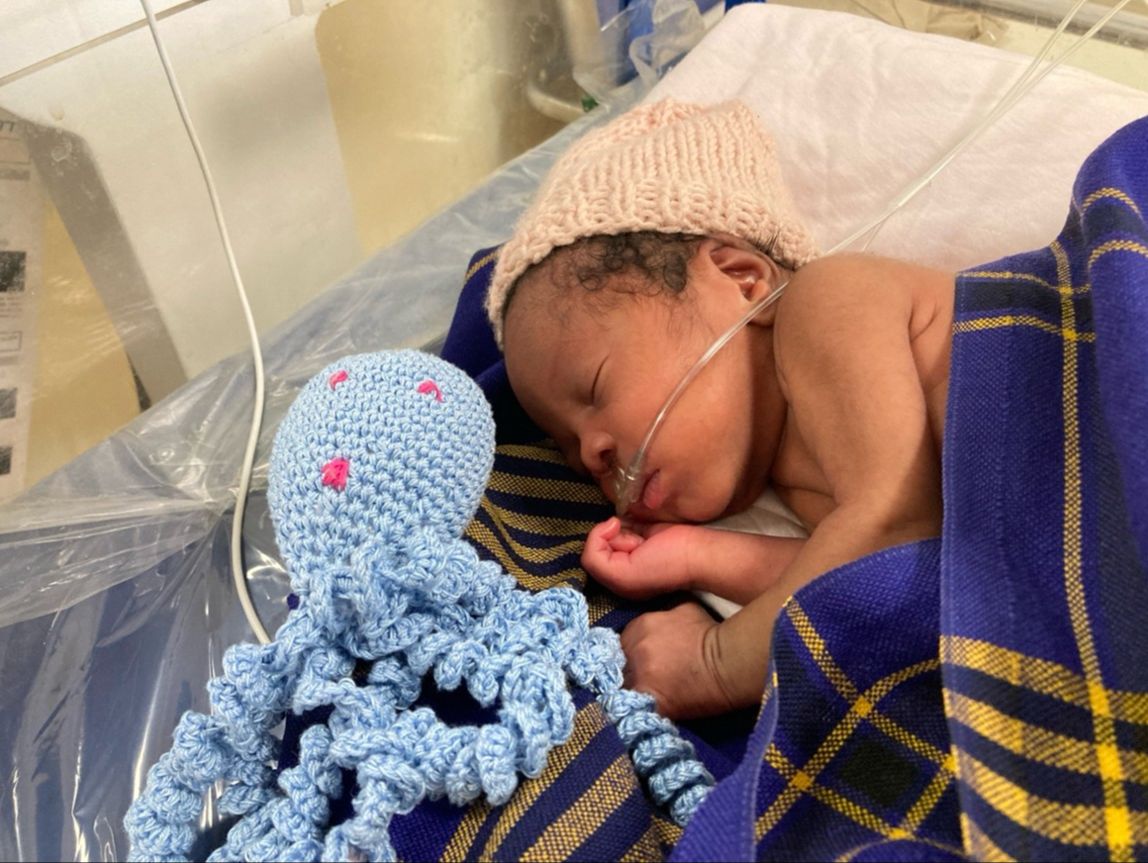
In Northern Uganda, a pregnancy can turn into an emergency within just a few hours.
Prolonged labour, an unexpected complication, a check-up postponed because the hospital is too far away and there is no one to leave the other children within the village. In a poor, rural setting like Northern Uganda, any delay can determine the fate of a mother and her baby. That is why, at Lacor Hospital, maternal health is a daily priority.
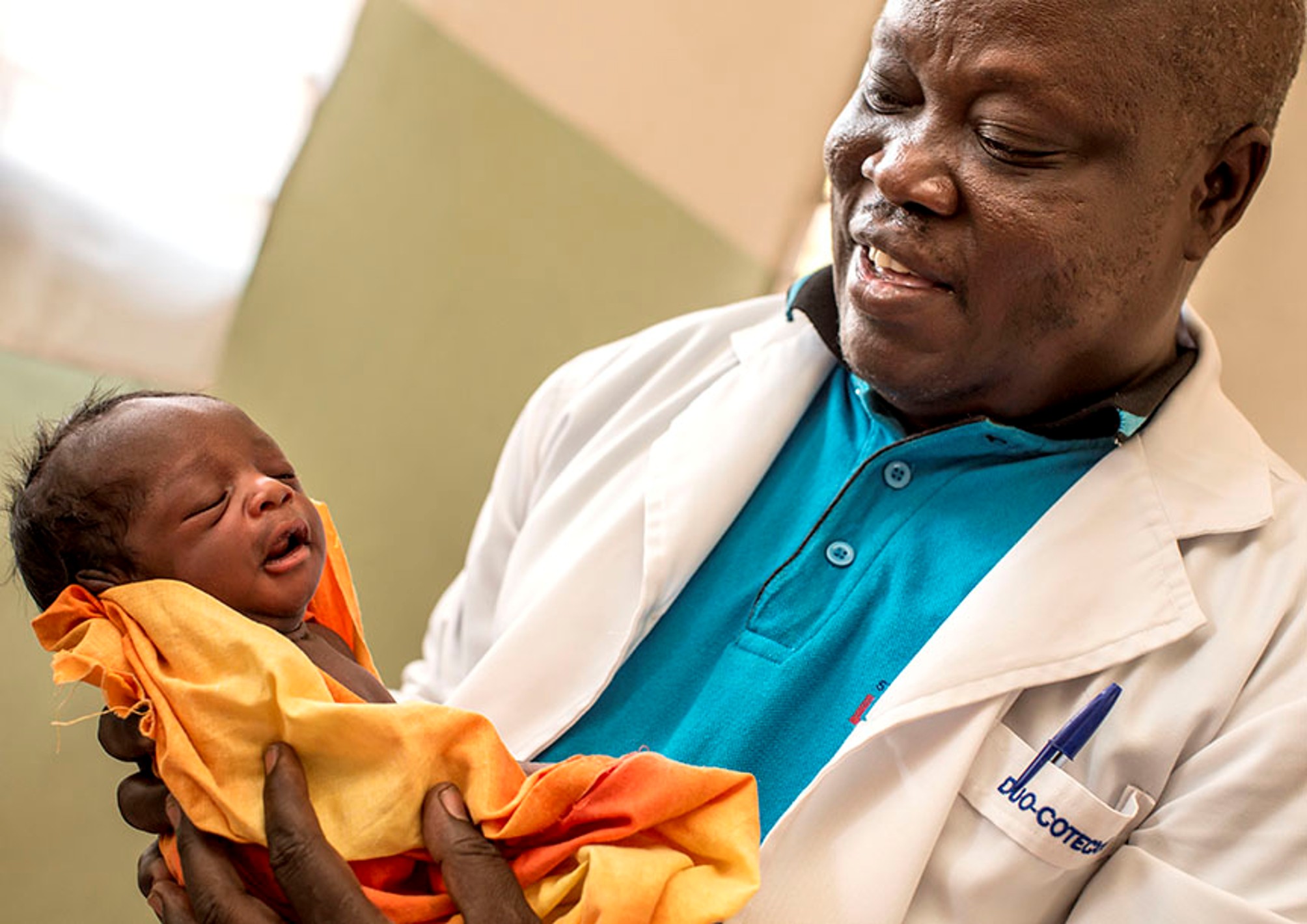
In May, the month of Mother’s Day and the International Day of the Midwife, Dr Emintone Odong, gynaecologist and Medical Director of Lacor Hospital, reminds us how essential it is to ensure that women have access to timely, quality care. “Maternal health is crucial,” he explains. “Mothers and children are the most vulnerable group. And our mission is to provide accessible, quality care to the vulnerable.”
Many local health facilities in Northern Uganda are now able to manage uncomplicated pregnancies and deliveries. But when a pregnancy or labour becomes high-risk, it is essential to reach a properly equipped hospital in time. This is also part of Lacor’s work: through its peripheral health centres and mobile prenatal clinics, which reach the most remote areas, the hospital seeks to identify dangerous situations early. “We have mobile prenatal clinics that reach mothers in their communities. Those with complications are encouraged to come to the facility in time,” explains Dr Odong.
Arriving in time remains one of the greatest challenges. Sometimes women pass through several health centres before reaching the hospital. Ambulances are few and not always available. Every delay can worsen the situation. “In obstetrics, the longer the delay, the more dangerous it becomes for both the baby and the mother, because complications increase over time,” Dr. Odong explains.
The work of midwives is fundamental: it is their role to recognise warning signs, support mothers, assist uncomplicated deliveries, and understand when a transfer to more specialised care is needed. But ensuring all this comes at a cost. Lacor is a private, non-profit hospital created above all to serve those who are poor. “We cannot increase fees to cover costs,” says Odong. “Because patients would not be able to afford them. Raising fees would mean excluding the very people who are most vulnerable. And let us remember that our mission is to care for the poor.” This is why donor support is a concrete part of our care.
“Without donations, we would not be able to manage,” Dr Odong emphasises. At Lacor Hospital, every donation supports running costs, helping provide prenatal visits, safe deliveries, and emergency care for women and their babies.
Donate now. Help every mother reach care in time.